Active Listening
From Good to Great: The Power of Active Listening
Welcome back to another edition of Next-Level Skills. Each edition, we explore the human and leadership capabilities that help us navigate work and life more effectively. Skills that move beyond theory and into practical application.
A warm welcome to everyone who has joined our community since the last edition. Whether you've been with us since the beginning or have recently discovered the newsletter or the book, thank you for being part of this journey.
Whether you’re navigating team dynamics, climbing the leadership ladder, or striving to make your voice heard, these skills are the building blocks of long-term success. Let’s kick things off with a deep dive into one of the most underrated superpowers of the professional world — Active Listening.
When Listening Actively Changed My Game!
During one of my first leadership roles, a team member was struggling to meet her deadlines. Instead of addressing it head-on, I started the conversation by laying out my assumptions: maybe she wasn’t managing her time well or was overwhelmed.
As I spoke, her expression told me she wasn’t feeling heard. Realizing this, I paused and said, “Let’s start over — tell me what’s really going on.”
What followed surprised me. She explained that the delays were due to unclear project requirements from multiple stakeholders, not a lack of effort on her part. She shared examples of conflicting inputs and the time she spent trying to resolve them.
That conversation was a turning point. By actively listening, I uncovered the root cause, clarified expectations with the stakeholders, and gave her the confidence to push back when needed. Within weeks, her performance soared — and so did her trust in me as a leader.
Active listening taught me a simple yet powerful truth:
Why Listening Matters More Than Talking
We’ve all heard the saying, “God gave us two ears and one mouth for a reason.” Yet, in the hustle of professional life, listening often takes a backseat to the urge to respond, persuade, or solve problems. However, active listening is not just about hearing words; it’s about understanding meaning, emotions, and intent.
A 2021 study published in the Harvard Business Review found that managers who actively listen are 80% more likely to build trust and enhance team performance.
The Anatomy of Active Listening
At its core, active listening involves:
- 1Being Fully PresentThis means eliminating distractions and focusing entirely on the speaker. Silence your phone, maintain eye contact, and resist the urge to mentally draft a response while the other person is talking.
- 2Reflecting and ClarifyingPhrases like, “What I’m hearing is…” or “It sounds like you’re saying…” show that you value their perspective.
- 3Asking Thoughtful QuestionsGo beyond surface-level queries. Aim for open-ended questions like, “What challenges are you facing with this approach?”
- 4Non-Verbal EngagementNods, facial expressions, and an open posture can make all the difference.
From Passive to Active: A Practical Shift
Consider this scenario: You’re in a team meeting, and a colleague raises a concern about a project delay. The passive listener nods politely and moves on, leaving the issue unaddressed. The active listener, however, asks follow-up questions:
- →Can you elaborate on what’s causing the delay?
- →What support would help resolve this?
The Ripple Effect of Active Listening
When you truly listen, you make others feel seen and heard. This emotional connection fosters collaboration, trust, and innovation, all of which are essential in today’s challenging work environments.
People will forget what you said, people will forget what you did, but people will never forget how you made them feel.
— Maya Angelou
A Challenge
To flex your active listening muscles, try this simple exercise:
- 1Daily ReflectionAt the end of each workday, think about one conversation where you could have listened more actively.
- 2Commit to ChangeTomorrow, apply one new listening technique, such as asking more clarifying questions or summarizing what you heard.
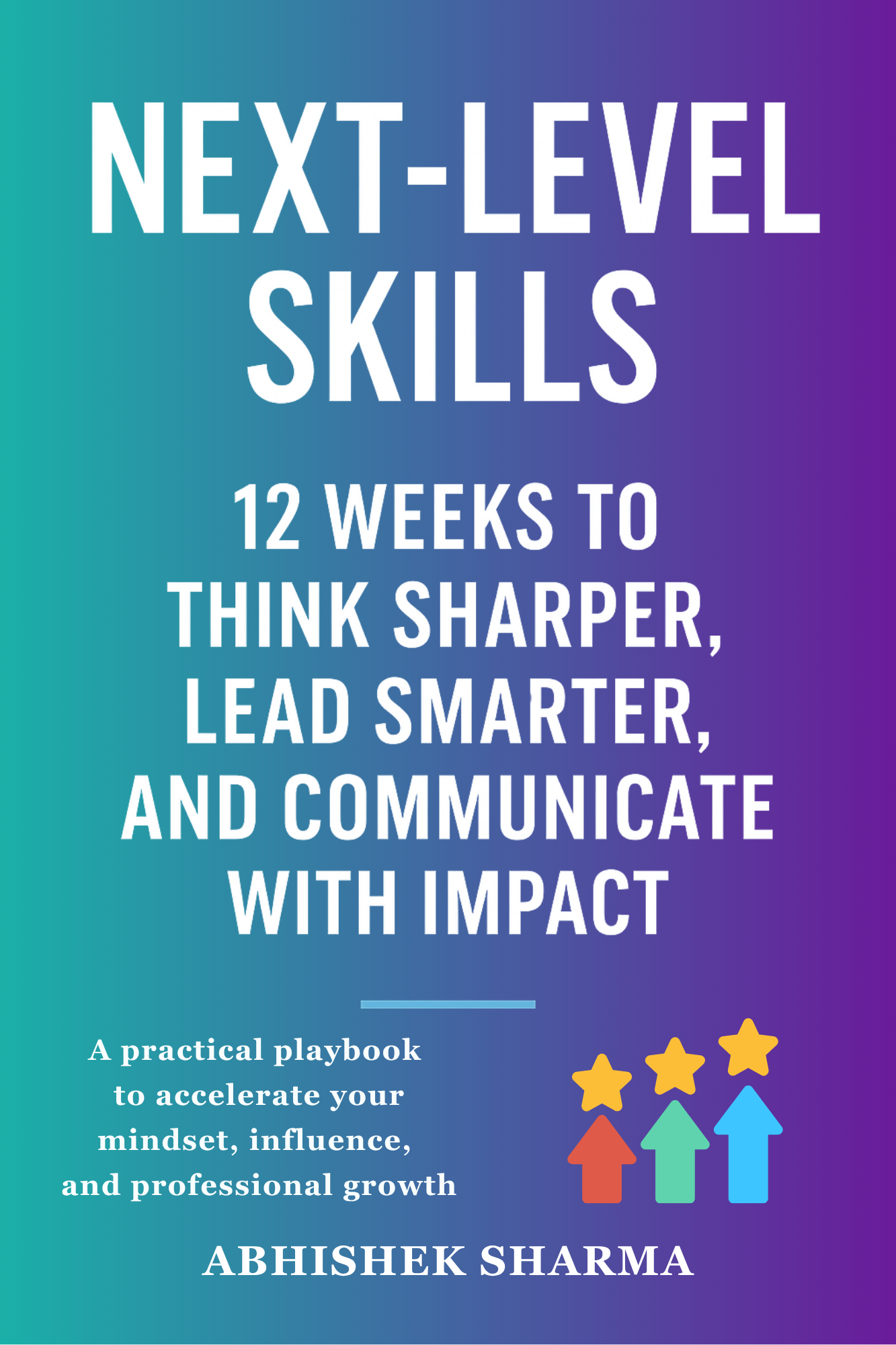
This and other essential skills are covered in Next-Level Skills — the book.
Learn more about the Book →Some Final Thoughts...
Active listening is the bridge between good communication and great relationships.
As you master this skill, you’ll notice its impact not just in your workplace but across all aspects of life.
Thank you for tuning into Next-Level Skills! If you found value in today’s topic, share your thoughts or stories about active listening in the comments — I’d love to hear from you.
Here’s to mastering the art of listening and unlocking your full potential!
Until Next Time,
Abhishek
Founder & CEO, LegiQ | Building Intelligent Edge Hardware
How has active listening helped you in your professional and personal lives? When did you realize you just had to listen more to get things done your way?
Active listening doesn’t just make you approachable — it makes you impactful. A leader with active listening skills is heard due to that built trust.
When you listen with intent, you hear more than words — you hear solutions. In today's challenges, we are often seeking solutions at a very rapid level and what is better than to get it ready within your own motivated team, you just have to listen to them actively, voila!
Active Listening is such an under-rated yet very powerful skill to go on to the next level. Listening actively makes you not only discover problems, but also ready solutions. Give it a go, you won't regret it!
Apply These Skills
- ✓Put the frameworks into practice this month.
- ✓Use the reflection prompts inside the book.
- ✓Build habits that compound over time.
This and other essential skills are covered in Next-Level Skills — the book.
Learn more about the Book →This edition is reserved for supporters
Subscribe free, then unlock every past edition with just 1 successful referral.
Subscribe Free →Enjoyed this edition?
Get the next one in your inbox — first week of every month.