All Editions
65 editions of practical insights on leadership, soft skills, and professional growth.

The Truest Test of Character
Real integrity is rarely built in front of an audience — it's built in the unwatched decisions no one will ever check. Leaders who earn the deepest trust hold themselves to the same standard privately as they do publicly, fix what's wrong even when disclosure costs them nothing, and treat small, invisible moments as practice for the significant ones that follow.
Leading Yourself Before You Lead Anyone Else
Emotional mastery isn't about feeling less, it's about widening the gap between what you feel and how you respond. Leaders who build this skill deliberately, naming the emotion, pausing before reacting, and repairing quickly when they get it wrong, earn far more credibility under pressure than those relying on raw talent or a naturally calm temperament alone.
The Currency of Every Lasting Relationship
Long-term trust is rarely built through a single grand gesture — it compounds quietly through consistency, and it's lost fastest through silence and broken small promises. Strong leaders keep commitments when it's inconvenient, close every loop, and remain the same person whether or not anyone is watching, because that reliability is what turns relationships into lasting trust.
Thinking Clearly When It Matters Most
Better decisions under pressure come from creating a brief space between stimulus and response, separating facts from assumptions, and focusing on what truly matters rather than what feels urgent. Strong leaders do not wait for perfect certainty; they build clear thinking habits that help them act with confidence, adapt as new information emerges, and improve outcomes when the stakes are high.
A practical framework for staying clear-headed under pressure
Influence becomes powerful when it is intentional, not exhausting. The key is to focus your energy where it creates the most value, rather than trying to be involved everywhere. Sustainable leadership requires clarity, boundaries, and trust in others to step forward. When you protect your energy and measure impact by outcomes — not activity — you influence more effectively without burning out.
Clarity, When There Is None
Uncertainty is not a disruption — it is the reality leaders must navigate every day. True leadership is not about having all the answers, but creating clarity through honest communication and steady progress. By focusing on what is known, taking small steps, and staying calm, leaders build trust even when the path is unclear. Clarity in motion matters more than certainty.
Why Composure Is a Strategic Advantage
Calm is a strategic leadership capability that helps create stability when pressure rises. Leaders who stay grounded improve clarity, trust, and decision-making for the people around them. Calm leadership is built through emotional regulation, self-awareness, clear priorities, and perspective under pressure. When leaders manage their own energy first, they steady the room and lead with presence instead of pressure.
Why Integration Beats Accumulation Every Time!
Growth slows not because we stop learning, but because we fail to integrate what we already know. Real progress happens when skills connect and show up automatically under pressure. When self-awareness, communication, and emotional regulation work together, they move from tools to identity. Integration — not accumulation — is what turns knowledge into lasting behaviour change.
Turning Skills into a Way of Being
Growth becomes meaningful when skills move beyond awareness and become part of how we think, decide, communicate, and lead. This edition marks a shift from weekly learning to monthly reflection, creating space to integrate skills more deeply into everyday leadership. The key message is that true capability comes not from collecting more knowledge, but from connecting and applying what we already know with intention. As Next-Level Skills enters a new cadence, the focus moves from learning concepts to living them consistently.
Integrative Thinking: Seeing Connections Others Miss
Integrative thinking is the ability to hold opposing ideas and create a better solution beyond either choice. Rather than accepting trade-offs, it connects perspectives, patterns, and possibilities into more powerful outcomes. This mindset enables leaders to navigate complexity, resolve tension, and design purposeful, innovative solutions. True impact comes from combining strengths, not choosing between them.
A Year of Growth, Now in Your Hands
Growth is a continuous journey built through intentional skill development and practical application. By integrating self-awareness, adaptability, communication, and leadership, we create a strong foundation for long-term success. True progress comes from consistently applying these skills in real life, not just understanding them. When learning becomes a rhythm, we unlock our next level with clarity and purpose.
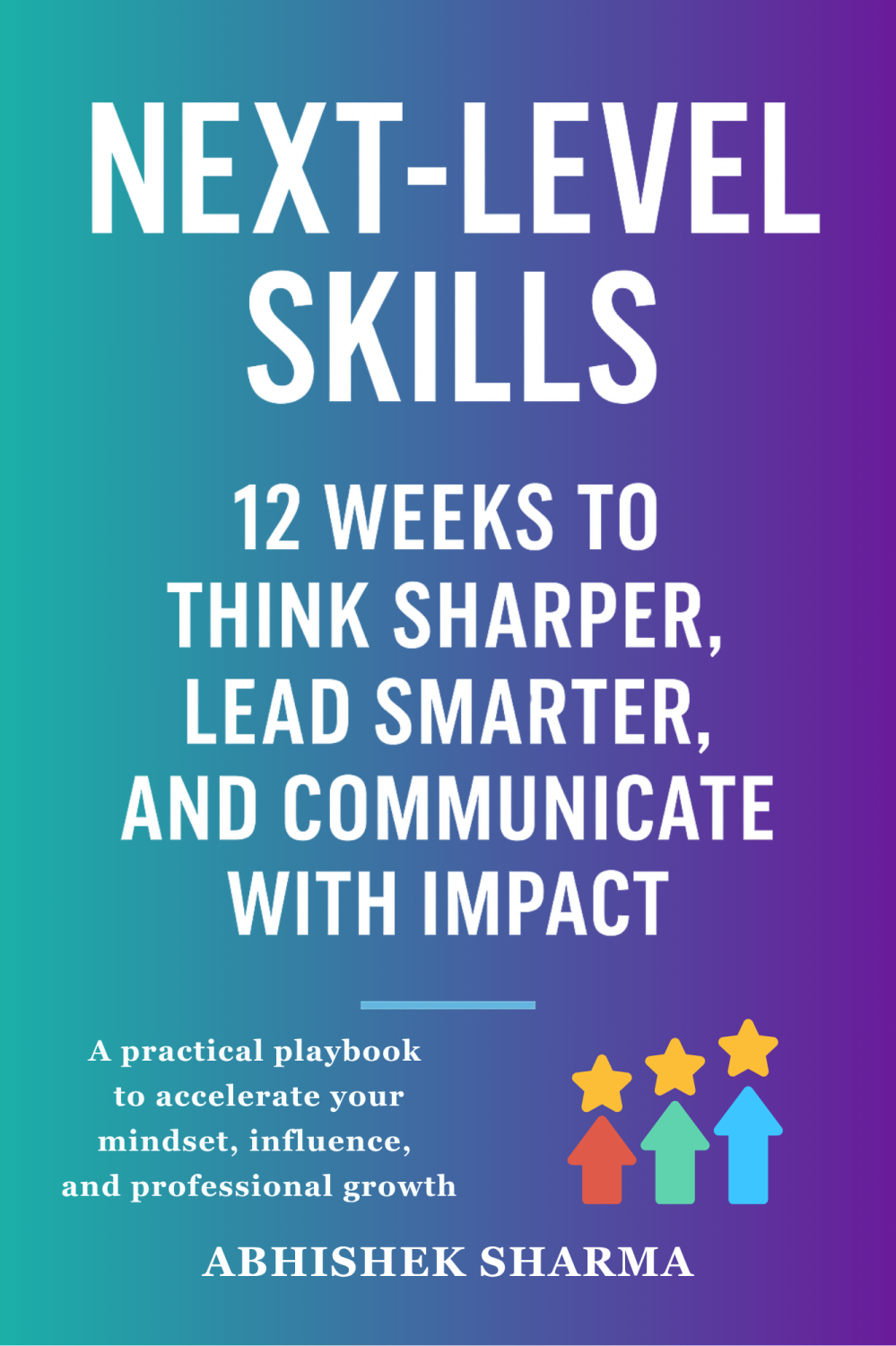
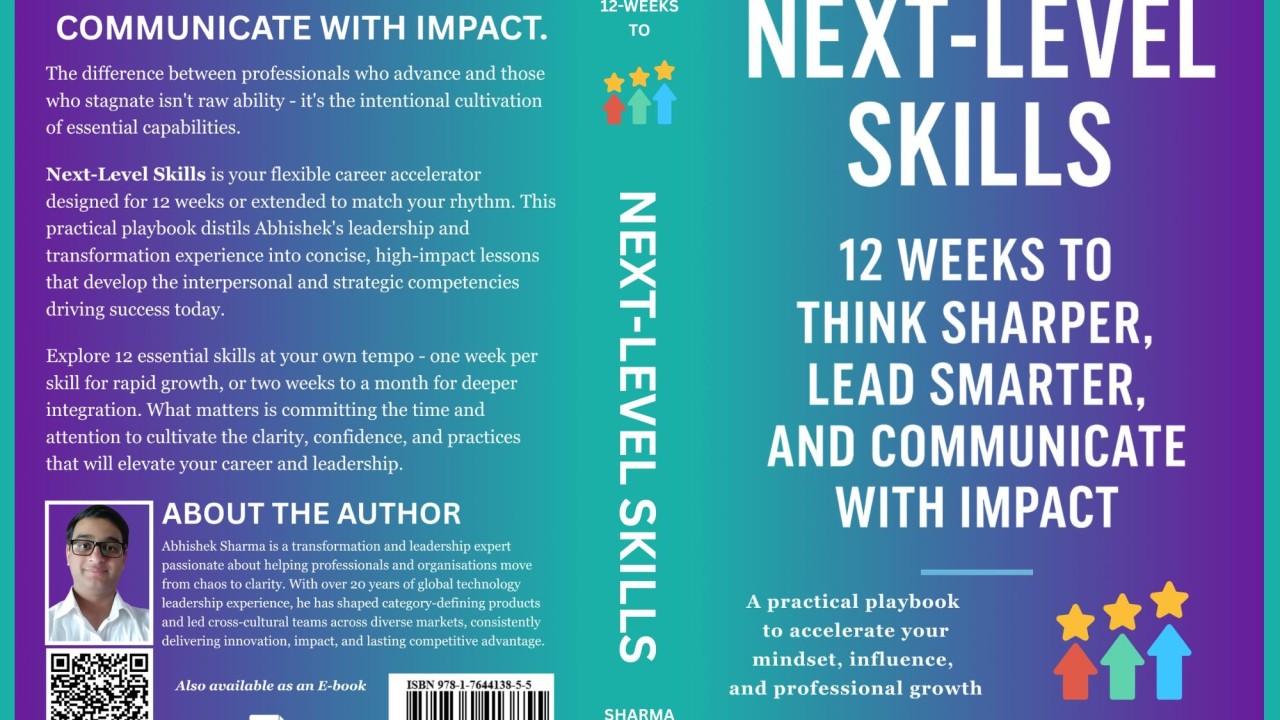
"Next-Level Skills": The Book coming soon!
A new book is on the horizon, capturing insights designed to help readers grow, think differently, and take meaningful action. It focuses on practical wisdom that can be applied in everyday life and work. The message encourages clarity, consistency, and personal responsibility. Ultimately, it aims to inspire progress and lasting impact.
Next-Level Skills : A New Chapter Begins
Next-Level Skills began as a weekly learning newsletter and has grown into a broader community and structured development system. After 52 editions, the journey is now expanding into a book that brings together the key skills, frameworks, tools, stories and exercises explored over the past year. The message is that intentional skill-building compounds over time and can transform confidence, careers and leadership. This new chapter invites readers to continue growing with a deeper, more practical guide for thriving in fast-changing workplaces.

How to Stay Ready for What’s Next
Future-proofing is about building the ability to adapt, learn, and respond to change with clarity and confidence. The professionals who thrive are not those who know the most, but those who learn the fastest and stay ready for uncertainty. By combining curiosity, adaptability, and initiative, we position ourselves to navigate constant disruption. Ultimately, success comes from becoming someone who can evolve with any future, not predict it.
Positive Framing for Influence
Positive framing shapes how people experience situations, turning setbacks into opportunities for progress. By focusing on possibilities, clarity, and shared purpose, it reduces resistance and builds confidence in teams. Leaders who frame messages constructively create trust, momentum, and solution-oriented thinking. Ultimately, the language we choose directly influences mindset, behaviour, and outcomes.
The Art of Curating and Synthesising Ideas
Curating and synthesising ideas is about turning information into clarity and action. Rather than collecting everything, effective thinkers intentionally select, connect, and refine ideas into meaningful insights. True innovation comes from combining patterns, filtering noise, and translating insights into decisions. In a world of overload, clarity — not quantity — drives impact.
Fail Faster to Succeed Sooner
Failure becomes valuable when it is treated as feedback, not finality. The key is to test early, learn quickly, and adapt before small issues become costly mistakes. Sustainable growth comes from building learning loops, psychological safety, and the courage to experiment before everything feels perfect. When we fail faster with intention, we reduce fear, sharpen decisions, and move closer to success sooner.
"Inclusive Thinking = Stronger Teams"
Diversity brings strength only when inclusion turns difference into connection. The key is to create spaces where every voice feels safe, valued, and heard. Inclusive leadership is built through everyday actions — inviting quieter perspectives, challenging hidden bias, and leading with cultural curiosity. When teams combine openness with intent, they unlock better ideas, stronger collaboration, and deeper belonging.
Agility in Leadership = Leading in Motion
Leadership agility is about staying centred and composed while navigating constant change. Agile leaders adapt quickly, reframe challenges, and focus on purpose over rigid plans. By fostering resilience, learning, and psychological safety, they turn uncertainty into opportunity. In today’s world, agility is not optional — it is essential for effective leadership.
Mentorship - Growing Together, One Conversation at a Time!
Mentorship is built on intentional listening, empathetic feedback, and shared growth. When we create space for honest dialogue and guide others with care, we help unlock their confidence and potential. True mentorship is not one-directional — it shapes both mentor and mentee through reflection and experience. Small, thoughtful conversations can create lasting impact and ripple beyond a single relationship.
Making Feedback a Habit, Not a Headache!
Feedback becomes powerful when it is treated as information for growth, not criticism. A strong feedback culture relies on trust, openness, and consistent everyday conversations rather than occasional formal reviews. Leaders shape this culture by asking for feedback, modelling openness, and closing the loop with action. When teams make feedback a habit, they build resilience, improve faster, and create an environment where everyone can grow.
Personal Goal Setting : "Clarity, Commitment, Completion"
Clear goals turn vague intentions into focused action by providing direction, reducing decision fatigue, and building momentum. When goals are meaningful and specific, they activate motivation and sharpen priorities. Breaking them into small, measurable steps helps sustain progress and confidence. Consistent tracking and flexibility ensure long-term success and alignment with evolving priorities.
Seeing the Storm Before the Clouds Form
Proactive problem anticipation is about seeing risks before they become crises and preparing for them early. Strong professionals scan for signals, ask “what if,” and learn from past failures to avoid repeat issues. By building buffers and encouraging open communication, they reduce stress and protect team trust. Anticipation isn’t pessimism — it’s a leadership strength that enables smoother execution and resilience.
Owning It: The Power of Accountability
Accountability is the foundation of trust and high performance. It means taking ownership of actions, outcomes, and decisions without deflecting responsibility. When individuals and teams consistently follow through, they build credibility and create a culture where results matter. True accountability drives clarity, ownership, and continuous improvement.
Smarter Across Borders: Cultural Intelligence in Diverse Teams
Cultural intelligence turns diversity into a strength by helping us understand, adapt, and collaborate across differences. When teams replace assumptions with curiosity and flex communication styles, they reduce friction and unlock innovation. True effectiveness comes from balancing diverse perspectives rather than choosing one over another. Inclusive thinking and intentional action enable teams to thrive, not just coexist.
Empathy The Bridge That Builds Trust
Empathy is more than listening — it is about truly understanding, connecting, and taking meaningful action. When practised well, it builds trust, strengthens collaboration, and creates environments where people feel valued and heard. By balancing perspective, emotion, and action, empathy becomes a powerful leadership multiplier. Consistent small acts of empathy can transform relationships, teams, and culture.
Staying Calm When It Counts Most
Emotional regulation is about recognising and channelling emotions into productive action rather than suppressing or reacting impulsively. By building self-awareness, pausing in high-pressure moments, and reframing situations, we create space for better decisions. Practised consistently, it helps us stay calm, maintain respect, and guide conversations toward constructive outcomes. Over time, this steadiness builds trust, influence, and stronger relationships.

The Stories That Shape Influence
Storytelling is a powerful leadership tool that goes beyond data to create emotional connection and influence action. Real, specific, and honest stories help others see themselves in the narrative and drive alignment. By focusing on human experience, keeping stories simple, and linking them to purpose, leaders can communicate with greater impact. Practising storytelling in everyday moments builds stronger, more memorable influence over time.
More Than Business Cards: The Human Skill of Networking
Networking is not about collecting contacts but building genuine, lasting relationships through curiosity, consistency, and value. By showing up, following up, and helping others, we create trust that opens doors over time. Strong networks are intentional, diverse, and nurtured well before they are needed. In a digital world, human connection remains the true differentiator.
Say What You Mean: The Power of Clarity in Messaging
Clarity in messaging is not about what we say, but what others understand. When we simplify, structure, and tailor our communication, we reduce confusion and drive action. Clear messaging builds trust, saves time, and prevents costly misalignment. In a world full of noise, clarity is a powerful competitive advantage.
The Power of No: Why Boundaries Make Us Better
Boundary setting is not about saying no to work, but saying yes to what truly matters. When you protect your time and energy, you become clearer, calmer, and more focused. High performance comes from intentional choices, not constant availability. Strong, well-communicated boundaries create space for meaningful impact and sustainable success.
Recognition - The Fuel Behind Performance
Recognition is a powerful leadership practice that drives engagement, trust, and performance when done with intention. The most impactful recognition is specific, timely, and sincere, focusing on both effort and outcomes. When leaders and teams consistently acknowledge contributions, it reinforces positive behaviours and strengthens collaboration. Making recognition a daily habit transforms culture and amplifies collective performance.
Navigating the Fog : The Skill of Managing Ambiguity
Managing ambiguity is about guiding through uncertainty, not eliminating it. By bringing structure, asking better questions, and communicating transparently, we can create clarity even when answers are incomplete. True leadership lies in staying calm, curious, and adaptive in the face of the unknown, helping others move forward with confidence despite uncertainty.
The Competitive Edge of Learning Agility
Learning agility is about the ability to adapt, unlearn, and relearn in changing environments rather than relying only on existing knowledge. It thrives on curiosity, reflection, and the willingness to step outside comfort zones. By turning experiences into insights and embracing unfamiliar challenges, individuals can grow faster and respond effectively to uncertainty. In today’s dynamic world, staying open and flexible is essential for sustained success.
The Quiet Strength of Being Assertive
Assertiveness is the ability to express thoughts, needs, and boundaries with clarity and respect, without drifting into silence or aggression. Speaking up, even when uncomfortable, prevents bigger setbacks and builds trust in teams. Clear, direct communication strengthens collaboration and reduces misunderstandings. True assertiveness is about using your voice for meaningful outcomes, not volume.
Building Rapport - The Shortcut to Stronger Connections
Building rapport is about creating genuine connection through trust, empathy, and active listening. Strong relationships are formed when people feel understood, respected, and valued. Consistency in communication and authenticity help deepen trust over time. Effective rapport lays the foundation for collaboration, influence, and long-term success.

Precision Thinking : The Power of Paying Attention
Attention to detail is a critical skill that separates excellence from average, building trust, credibility, and professionalism in every task. Small oversights can have significant consequences, while consistent accuracy reflects discipline and care. By slowing down, using structured checks, and combining tools with human judgement, we can embed quality into our work. Ultimately, it’s not perfection but presence and finishing well that make the real difference.
The Power of Prioritisation - Choosing What Truly Matters
Prioritisation is about focusing on what truly drives impact rather than reacting to everything that feels urgent. Clarity in outcomes, not activity, helps distinguish meaningful work from noise. By consciously choosing what to say no to and regularly reassessing priorities, we shift from being busy to being effective. True progress comes from intentional decisions on where to invest time and energy.
The Engine Within : Cultivating Self-Motivation
Self-motivation is not a constant feeling but a repeatable process of restarting your inner drive. By reconnecting to purpose, breaking goals into small wins, and designing supportive environments, we build consistent momentum. True motivation comes from systems, habits, and meaning that sustain effort even when external rewards fade.
Mindfulness as a Performance Advantage
Mindfulness is the practice of being fully present in the moment, observing thoughts without judgment and returning attention when it drifts. It helps reduce stress, improve focus, and build emotional resilience. Consistent practice strengthens awareness, enabling better decision-making and a more balanced, intentional way of living.
The Chemistry of Cohesion - Building Teams That Click
Strong teams are built through trust, safety, and shared experiences — not just structure or talent. Psychological safety, open dialogue, and consistent connection rituals create high-performing teams. Real cohesion comes from intentional daily behaviours, not one-off activities. When teams prioritise honesty, empathy, and small wins, they build lasting alignment and momentum.
Conflict De-escalation - Turning Tension into Trust
Conflict de-escalation is about choosing calm over reaction and understanding over ego, especially when emotions run high. By pausing, listening actively, and using thoughtful language, we can turn tension into trust and keep conversations productive. It’s not about avoiding conflict, but navigating it with empathy to preserve relationships and progress. When we focus on being heard rather than being right, we create space for collaboration and clarity.
Managing Up - Leading Without the Title
Managing up is about proactively aligning with your leader’s priorities, anticipating needs, and communicating with clarity. It focuses on building a collaborative relationship that improves outcomes for both you and your organisation. By understanding expectations, flagging risks early, and speaking in terms of impact, you build trust and influence. Ultimately, it’s not about approval or pleasing — it's about ownership and enabling success.
Growth Mindset - The Thinking That Changes Everything
A growth mindset is about shifting from proving yourself to improving yourself — seeing failure as feedback, not a final judgement. Progress comes from consistent learning, reflection, and embracing discomfort as a sign of growth. By reframing self-talk, tracking improvement, and surrounding yourself with learners, you build resilience and adaptability. Ultimately, growth happens through action, not just intention.
Next-Level Skills: The Power of Less - Mastering the Art of Summarisation
Summarisation is a leadership superpower because it turns complexity into clarity. The goal is not simply to say less, but to distil meaning, sharpen focus, and communicate what matters most. By identifying the core idea, using simple frameworks, tailoring the message to the audience, and practising brevity, we can make ideas easier to understand and act on. When we summarise well, we think more clearly, communicate more effectively, and help others make better decisions.
Next-Level Skills: The Art of Being Teachable
Being teachable is the difference between staying stuck and unlocking new opportunities. It means shifting from “I already know” to “What can I learn?” by staying curious, accepting feedback, and challenging assumptions. Experience matters, but adaptability keeps knowledge relevant in a fast-changing world. The best learners become the best leaders because they keep growing, improving, and learning from everyone.
Negotiation Skills: The Art of Reaching Win-Win Outcomes
Negotiation is most effective when it is approached as collaboration, not competition. The key is to prepare well, listen deeply, and focus on creating value for both sides. Strong negotiators build trust, handle objections calmly, and know when to compromise or walk away. When we frame negotiation as a win-win discussion, we strengthen relationships while achieving better outcomes.
Stress Management: Staying Resilient in a Fast-Paced World
Stress is inevitable, but how we respond to it determines whether it drains us or strengthens us. The key is to recognise stress signals early, reframe pressure as a challenge, and use practical habits such as boundaries, mindful breaks, movement, and prioritisation. Effective stress management helps us stay focused, resilient, and in control even in high-pressure situations. When we manage stress intentionally, we protect our well-being while sustaining performance and growth.
Strategic Thinking: Seeing the Bigger Picture, Acting with Precision
Strategic thinking is about stepping back from immediate problems to understand the bigger picture and address root causes rather than quick fixes. By anticipating challenges, analysing patterns, and aligning actions with long-term goals, we create sustainable success. It requires balancing data with intuition, prioritising impact over urgency, and continuously challenging assumptions. Ultimately, strategic thinking transforms reactive decisions into purposeful actions that shape the future.
Problem-Solving: Turning Challenges into Opportunities
Problem-solving becomes powerful when we approach challenges with structure, clarity, and the right mindset. The key is to define the real issue, analyse the root cause, explore options, and act with purpose rather than reacting under pressure. Strong problem-solvers turn obstacles into opportunities by staying curious, collaborative, and solution-focused. When we treat problems as chances to improve, we build confidence, resilience, and better decision-making.
Embracing Feedback: The Fastest Path to Growth
Feedback becomes powerful when we choose to see it as guidance rather than criticism. The key is to listen with curiosity, reflect before reacting, and turn insights into small, meaningful actions. Growth accelerates when we seek feedback proactively, clarify what it means, and follow up to show progress. When we embrace feedback with openness and self-awareness, we strengthen performance, relationships, and leadership presence.
Leadership Without Authority: Influencing Without a Title
Leadership is not defined by a title but by the ability to influence, inspire, and guide others toward shared goals. By building trust, communicating clearly, and taking initiative, individuals can create impact even without formal authority. Consistent actions, collaboration, and credibility naturally position people as leaders. True leadership emerges from empowering others and driving meaningful change.
Openness to Change: Thriving in an Evolving World
Openness to change is the ability to adapt, learn, and grow in an ever-evolving world. Resistance often comes from familiarity rather than facts, while embracing change unlocks new opportunities and improvements. By developing a growth mindset, emotional resilience, and curiosity, we can turn uncertainty into progress. Small, intentional steps help transform change from a challenge into a pathway for continuous success.
Self-Awareness: The Key to Unlocking Our Full Potential
Self-awareness is the foundation for personal growth, emotional intelligence, and better decision-making. It helps us understand our strengths, blind spots, emotions, and how our behaviour affects others. By combining reflection, feedback, mindfulness, and awareness of our values, we can respond more intentionally and lead more effectively. The more conscious we become of our patterns and impact, the more control we have over our actions, relationships, and outcomes.
Decision-Making: The Art of Choosing Wisely
Effective decision-making requires balancing logic with intuition, urgency with foresight, and confidence with flexibility. Strong decisions are grounded in clear objectives, data-driven insights, and stakeholder alignment. By exploring alternatives and assessing risks, we can make thoughtful choices that support both short-term needs and long-term goals. Consistent reflection and learning turn decision-making into a reliable, high-impact skill.
Conflict Resolution: Turning Tension into Opportunity
Conflict is inevitable, but it can become a catalyst for growth when handled with empathy and clarity. By focusing on understanding different perspectives and encouraging open dialogue, disagreements can lead to stronger relationships and innovative solutions. Effective conflict resolution requires staying calm, addressing issues early, and working collaboratively towards shared goals. When approached thoughtfully, conflict transforms from friction into opportunity.
Collaboration: Unlocking the Power of Teamwork
Collaboration is more than simply working together — it is about aligning diverse perspectives, respecting differences, and building a shared vision. When teams communicate openly, leverage individual strengths, and foster trust, they unlock innovation and achieve outcomes beyond individual effort. True collaboration thrives on mutual respect, adaptability, and psychological safety, enabling stronger relationships and better results.
Building Trust: The Cornerstone of Collaboration
Trust is the foundation of strong relationships and effective collaboration, built on consistency, transparency, and accountability. It enables open communication, reduces conflict, and drives better decision-making. By demonstrating competence, integrity, and reliability, individuals can create environments where teams feel safe, valued, and motivated to perform at their best.
Resilience: The Strength to Rise Above Challenges
Resilience is the ability to embrace challenges, adapt to change, and keep moving forward despite setbacks. It is built through self-awareness, emotional control, optimism, adaptability, and strong support systems. By reframing challenges and strengthening daily habits, we can turn adversity into growth. True resilience is not about avoiding difficulties but rising stronger and wiser each time.
Mastering Time: The Ultimate Competitive Edge
Time management becomes powerful when it is intentional, not overwhelming. The key is to focus on what truly matters, prioritise high-value work, and reduce distractions that drain energy and productivity. By planning carefully, setting boundaries, delegating effectively, and reflecting regularly, we can create more space for clarity, balance, and meaningful progress. When we invest time wisely — instead of simply spending it — we achieve more with less stress.
The Adaptability Edge: Thriving in a Changing World
Adaptability is the ability to stay effective when circumstances change. It means responding with curiosity, resilience, and flexibility instead of resisting disruption. By building a growth mindset, seeking feedback, staying curious, and reframing challenges as learning opportunities, you become better equipped to thrive in uncertainty. In a fast-changing world, adaptability is not just a skill — it is a mindset, behaviour, and attitude that helps you grow stronger through change.
The Heart of Success: Emotional Intelligence at Work
Emotional intelligence is the foundation of strong relationships, effective leadership, and better decision-making at work. By recognising and managing your own emotions while empathising with others, you create trust, reduce conflict, and strengthen collaboration. Developing EI takes practice through active listening, reflection, feedback, and thoughtful responses instead of reactions. When you lead with empathy, self-awareness, and social awareness, you elevate both your professional impact and personal growth.
Think Smarter, Not Harder: The Power of Critical Thinking
Critical thinking helps you move beyond reacting quickly and instead respond with clarity, logic, and purpose. By questioning assumptions, analysing information, and considering different perspectives, you make stronger decisions and solve problems more effectively. It is not just about finding answers — it is about asking better questions. When practised consistently, critical thinking sharpens confidence, encourages innovation, and prepares you to navigate complexity with precision.
The Art of Connection: Mastering Effective Communication
Effective communication is not just about speaking clearly; it is about making sure your message is understood, received, and acted upon. The key is to combine clarity, empathy, engagement, and feedback so people feel connected rather than confused. By simplifying complex ideas, listening actively, and adapting to your audience, communication becomes a bridge for trust, collaboration, and action. When you focus on connection as much as content, you turn conversations into stronger relationships and better outcomes.
From Good to Great: The Power of Active Listening
Active listening turns everyday conversations into opportunities to build trust, clarity, and stronger outcomes. By being fully present, asking thoughtful questions, and reflecting what you hear, leaders can uncover root causes instead of reacting to assumptions. It helps people feel seen, heard, and supported while improving collaboration and team performance. When you listen with intent, you hear more than words — you hear solutions.
And get Monthly editions delivered to your inbox!
Subscribe free. Get your own referral reward link in the welcome email.