Effective Communication
The Art of Connection: Mastering Effective Communication
Welcome back to another edition of Next-Level Skills. Each edition, we explore the human and leadership capabilities that help us navigate work and life more effectively. Skills that move beyond theory and into practical application.
A warm welcome to everyone who has joined our community since the last edition. Whether you've been with us since the beginning or have recently discovered the newsletter or the book, thank you for being part of this journey.
This edition, we dive into Effective Communication, an essential competency that bridges ideas, builds trust, and drives progress. Let’s explore what it means to communicate effectively and how mastering this art can transform your career.The single biggest problem in communication is the illusion that it has taken place.
— George Bernard
When Words Weren’t Enough for Me!
A few years ago, I worked on a high-stakes project with a diverse team spread across three continents. During a pivotal call, I presented what I thought was a clear project update. However, after the meeting, I noticed confusion among the team members.
Instead of assuming they simply needed to "catch up," I reached out individually to understand the disconnect. It turned out that my technical terminology alienated some team members who weren’t as familiar with the jargon.
The next time, I adjusted my approach. I started using simple, relatable examples to explain complex ideas and paused regularly to invite questions. This not only clarified the project goals but also strengthened the team’s cohesion.
That experience taught me that effective communication isn’t just about clarity — it’s about connecting with your audience.
What is Effective Communication?
At its core, effective communication isn’t just about talking — it’s about ensuring your message is received, understood, and acted upon. It involves clarity, empathy, and active engagement, both in speaking and listening.
Albert Mehrabian’s communication model reveals that only 7% of communication is verbal, while 38% comes from tone and 55% from body language. This underscores the importance of how we communicate beyond just the words we choose.
Wise men speak because they have something to say; fools because they have to say something.
— Plato
The Pillars of Effective Communication
To excel in communication, focus on these four pillars:
- 1ClarityAvoid jargon or overly complex language. Aim to simplify without dumbing down. Ask yourself: “What’s the key takeaway I want my audience to have?”
- 2EmpathyUnderstand your audience’s perspective. Adapt your tone and message to their needs and concerns.
- 3EngagementUse storytelling, questions, or visuals to keep your audience involved. Communication is a two-way process.
- 4FeedbackEncourage responses to ensure your message was understood. Be open to questions or clarifications to close the loop.
Common Communication Pitfalls
Even the best communicators can fall into traps such as:
- 1Assuming UnderstandingJust because something makes sense to you doesn’t mean it’s clear to others.
- 2Overloading with InformationLess is often more. Focus on the essentials to avoid overwhelming your audience.
- 3Ignoring Non-Verbal CuesFidgeting, avoiding eye contact, or crossed arms can speak louder than words.
How to Elevate Your Communication Today
- 1Practice Active ListeningGive your full attention when someone speaks and respond thoughtfully.
- 2Use the KISS MethodKeep It Short and Simple. Distil your message to its essence.
- 3Watch Your Non-VerbalsAlign your body language, tone, and words to avoid mixed signals.
- 4Ask for FeedbackAfter sharing an idea, ask: “Does that make sense?” or “How does that align with your understanding?”
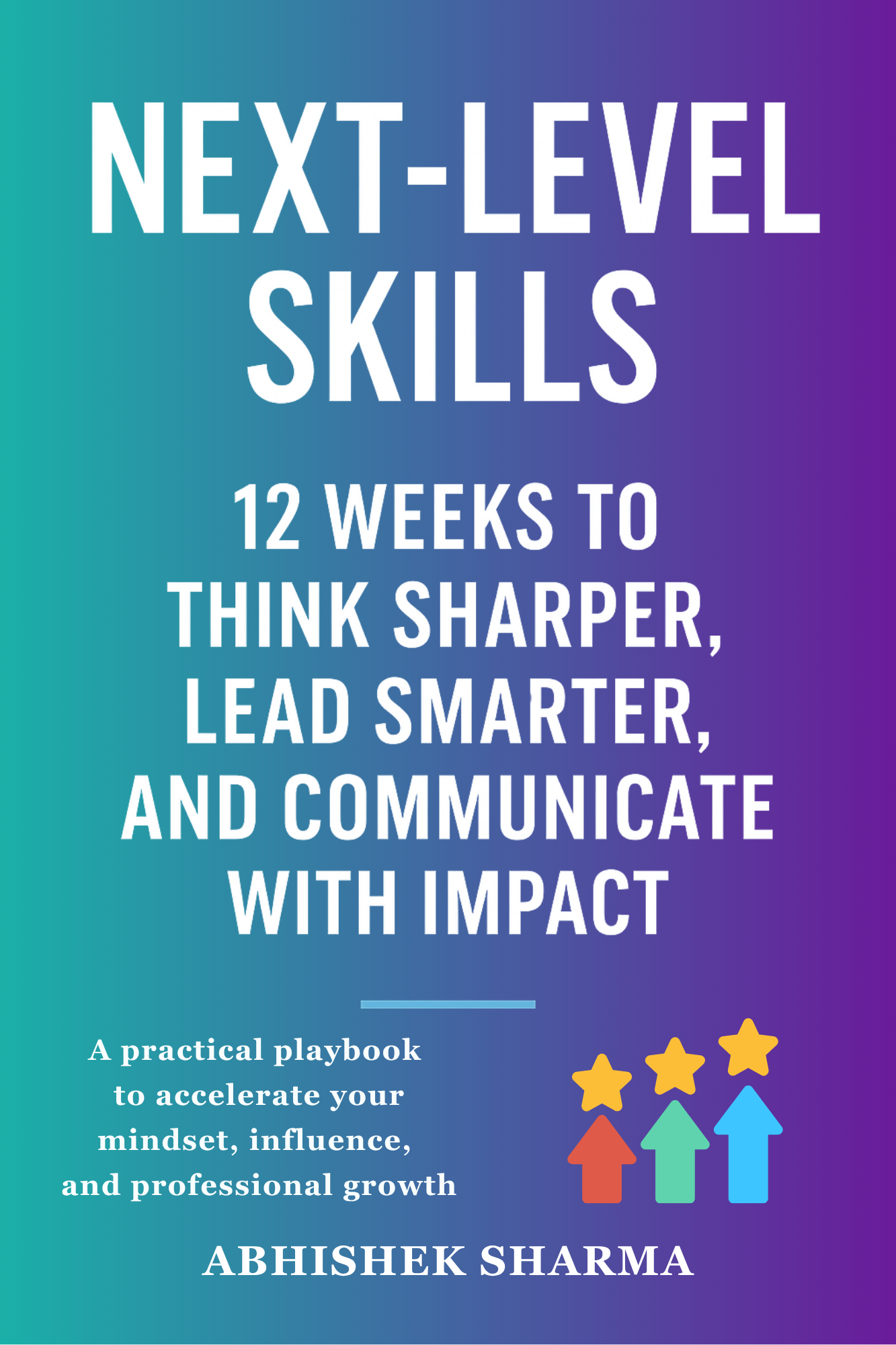
This and other essential skills are covered in Next-Level Skills — the book.
Learn more about the Book →A Challenge
In your next conversation — whether at work or home — focus on clarity and engagement. Try summarizing your key points in one sentence, then invite feedback. You’ll be amazed at how much more effective your communication becomes.
Good communication is just as stimulating as black coffee, and just as hard to sleep after.
— Anne Morrow Lindbergh
Some Final Thoughts...
Effective communication is the art of connection. It’s how we turn ideas into action, misunderstandings into collaboration, and good teams into great ones.
Thank you for being a part of Next-Level Skills! Let me know how you’ve refined your communication skills or the challenges you face. Your stories could inspire future editions.
Until Next Time,
Abhishek
Founder & CEO, LegiQ | Building Intelligent Edge Hardware
How do you adapt your communication style when working with diverse teams or individuals with varying levels of expertise?
In a world dominated by digital communication, how do you ensure clarity and connections in virtual settings?
Do you believe empathy is more important than clarity in effective communication or are they equally vital?
What’s one time you realized your message wasn’t understood as intended? How did you handle it?
Soft skills are very important. Hard skills can be learnt easily - there are so many resources available, soft skills need regular practice, dedication and most importantly self-reflection. Soft skills are the skills that take you to the next level.
Gift the Book
- ✓A colleague stepping into leadership.
- ✓A team member navigating change.
- ✓A friend looking to take their next step professionally.
This and other essential skills are covered in Next-Level Skills — the book.
Learn more about the Book →This edition is reserved for supporters
Subscribe free, then unlock every past edition with just 1 successful referral.
Subscribe Free →Enjoyed this edition?
Get the next one in your inbox — first week of every month.